SAN NARCISO, QUEZON – A collaborative medical mission between Philippine and American military forces provided vital healthcare assistance to around 300 community members during a comprehensive two-day operation in April 2026, marking a significant humanitarian component of the ongoing Balikatan 41-2026 exercises.
The joint medical outreach, conducted April 8-9, 2026, combined immediate healthcare delivery with emergency response training as part of the Community Health Engagement (CHE) and Civic Action (CIVAC) programs. The mission targeted residents of Barangay Villa Reyes and adjacent communities in San Narciso, bringing together Armed Forces of the Philippines (AFP) medical personnel with their United States Indo-Pacific Command counterparts.
Comprehensive Medical Services Delivered
The healthcare intervention addressed multiple medical needs through a coordinated service delivery approach. Medical consultations formed the cornerstone of the outreach, with joint medical teams conducting thorough health assessments and providing treatment recommendations for participating residents.
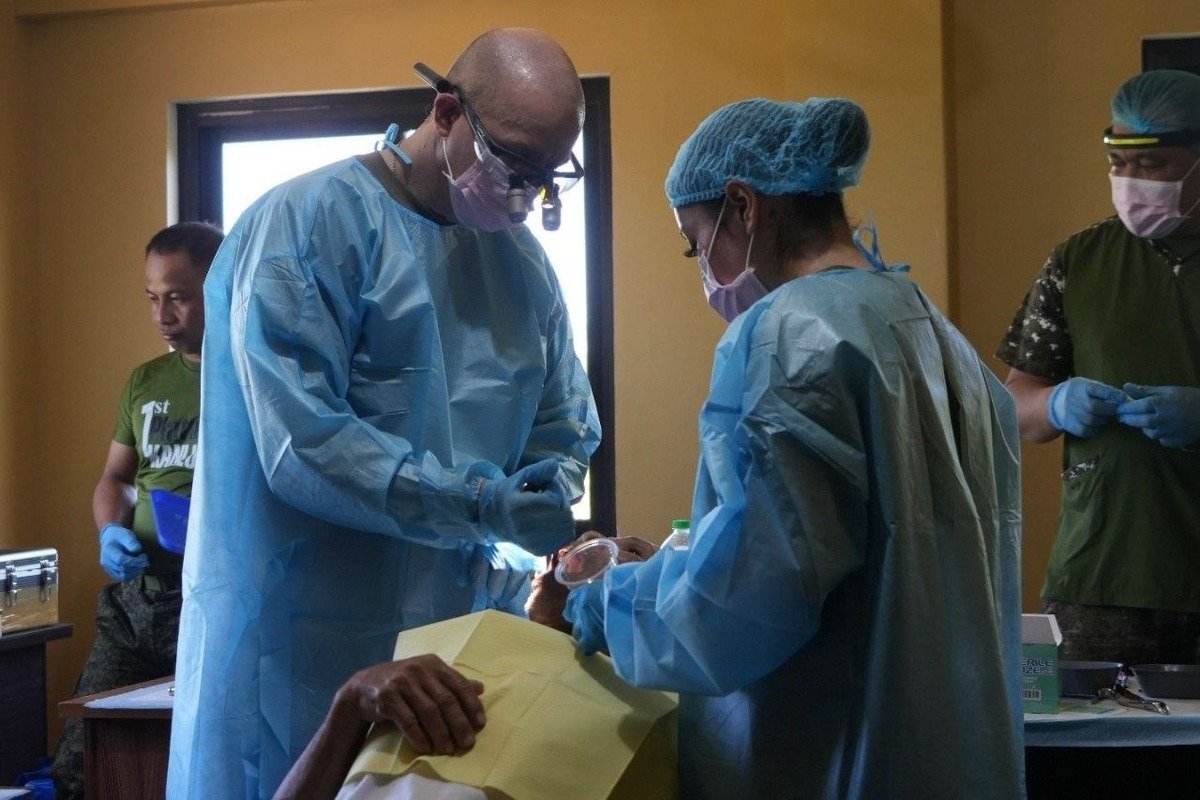
Dental healthcare services complemented the general medical consultations, addressing oral health concerns that frequently receive limited attention in remote community settings. The dental component recognized the critical connection between oral health and overall wellness, particularly in areas with restricted access to specialized care.
Essential medications and vitamin supplements were distributed to community members, extending the mission’s impact beyond immediate consultation services. This pharmaceutical support provided residents with continuing health resources to maintain wellness after the medical teams departed.
Emergency Response Capacity Building
The mission incorporated substantial training elements designed to enhance local emergency preparedness capabilities. Local Emergency Response Team (LERT) members participated in intensive skill-building sessions alongside barangay officials, receiving instruction in critical emergency response competencies.
Trauma care training equipped local responders with essential life-saving techniques applicable during medical emergencies and disaster situations. The hands-on instruction provided practical skills that community responders can immediately implement when professional medical assistance is unavailable or delayed.
Vector control education addressed public health prevention strategies, teaching participants to identify and mitigate disease transmission risks in their communities. First aid certification rounds completed the training curriculum, ensuring local personnel possess fundamental emergency response capabilities.
The capacity-building approach created sustainable knowledge transfer, establishing enhanced emergency response capabilities that persist beyond the exercise timeframe. Local responders now possess improved skills to address health emergencies and coordinate with professional medical services when needed.
Alliance Cooperation in Action
The San Narciso mission exemplified effective Philippines-United States defense partnership implementation focused on civilian welfare enhancement. The seamless coordination between AFP and U.S. medical personnel demonstrated mature bilateral cooperation capabilities in humanitarian assistance delivery.
AFP Reserve Force participation strengthened community connections, leveraging reservists’ local knowledge and relationships to facilitate effective service delivery. Reserve personnel often maintain strong community ties that prove invaluable in civil-military cooperation initiatives.
The integrated operational approach linked defense cooperation directly with community development objectives, creating tangible civilian benefits while strengthening military partnership foundations. This methodology ensures defense collaboration extends meaningful support to civilian populations.
Balikatan Exercise Integration
Exercise Balikatan 41-2026 provided the operational framework for this humanitarian mission, representing the annual bilateral military exercise’s evolution to incorporate comprehensive community engagement components alongside traditional military training elements.
The exercise’s community-focused initiatives demonstrate practical cooperation benefits for local populations while maintaining core military readiness objectives. This dual approach strengthens both military capabilities and civilian-military relationships through shared humanitarian action.
The April timing aligned with broader exercise objectives emphasizing practical cooperation that generates mutual benefits for military preparedness and civilian welfare enhancement across participating communities.
Humanitarian Defense Cooperation
According to the AFP statement from Camp Aguinaldo, the initiative represents expanding community-based health and resilience programs under bilateral military cooperation frameworks. The mission demonstrates how military partnerships effectively contribute to civilian welfare while building community resilience.
The comprehensive approach addressed immediate healthcare access challenges in underserved communities while establishing frameworks for ongoing health support initiatives. The approximately 300 beneficiaries represent families and individuals who may face significant barriers accessing regular healthcare services.
Public trust building formed an essential mission component, demonstrating military forces’ commitment to civilian welfare through direct community service delivery. The initiative creates positive military-civilian relationships while addressing real community healthcare needs.
Regional Stability Through Community Engagement
The mission reinforced the enduring Philippines-United States alliance foundation built on shared values, mutual support, and regional stability commitment through humanitarian cooperation. Community health engagement activities exemplify military partnerships’ contribution to broader humanitarian objectives.
Both nations demonstrated recognition that effective defense cooperation must incorporate civilian-focused elements addressing authentic community requirements. The San Narciso healthcare services represent concrete benefits of international military cooperation for local populations facing healthcare access challenges.
The emphasis on humanitarian cooperation reflects evolving military partnership approaches to complex security challenges incorporating public health, emergency preparedness, and community resilience factors as integral security components.
Photo credit: Courtesy of Armed Forces of the Philippines
Related stories